
What is Climate Change and What are Its Causes?
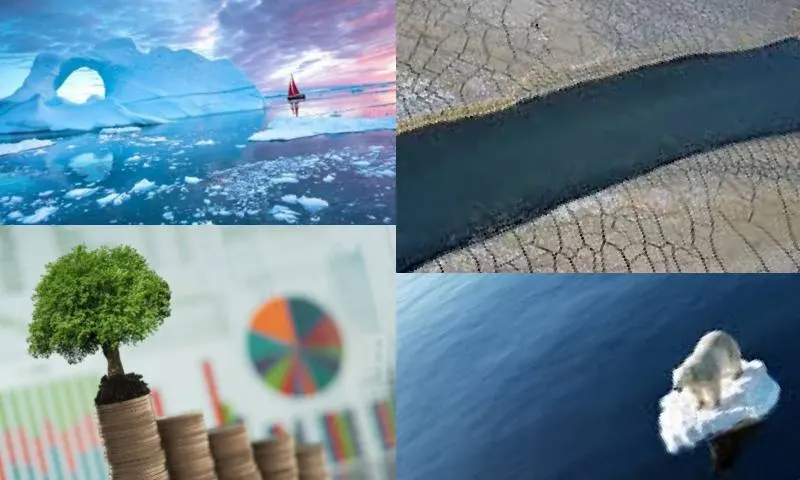
Climate change is defined as long-term changes in the Earth's average temperatures. These changes are largely caused by human activities. Factors such as the use of fossil fuels, deforestation, industrial activities, and agricultural production increase the amount of greenhouse gases in the atmosphere, leading to global warming. Gases like carbon dioxide (CO₂), methane (CH₄), and nitrogen oxides (N₂O) cause solar radiation to be trapped in the atmosphere, leading to an increase in the Earth's temperature. While natural causes can also play a role in climate change, scientists emphasize that the changes occurring today are largely human-induced. You can look at the relevant online firms on internet pages to get information on this subject and ask your questions, and examine them in detail from here.
Effects and Consequences of Climate Change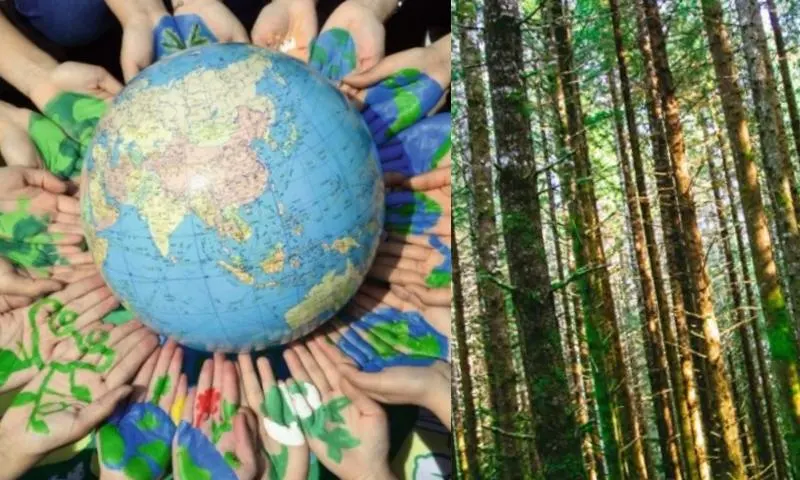
Climate change causes many negative effects worldwide. These effects include rising sea levels, melting glaciers, an increase in extreme weather events, and the disruption of ecosystems. Natural disasters such as droughts, floods, hurricanes, and forest fires are becoming more frequent and severe due to climate change. Furthermore, the productivity of agricultural lands is decreasing, biodiversity is under threat, and water resources are being depleted. Climate change also has serious effects on human health; heatwaves, respiratory diseases, and food security issues are just a few of these impacts.
Methods of Combating Climate Change
Many measures can be taken at individual and global levels to combat climate change. These measures include the use of renewable energy sources, reducing fossil fuel consumption, and increasing energy efficiency. Environmentally friendly policies such as afforestation efforts, sustainable agricultural practices, and waste management also play an important role in mitigating the effects of climate change. As individuals, using public transportation, saving energy, contributing to recycling, and developing conscious consumption habits to reduce our carbon footprint are also of great importance. At the international level, global efforts such as the Paris Climate Agreement enable countries to act together to reduce their carbon emissions. In conclusion, climate change is one of the biggest global problems of our time, and everyone must take responsibility in combating this problem. To leave a habitable planet for future generations, we must take sustainable steps individually and collectively.





