
What is Hardware and Why is it Important?

Hardware refers to the physical, tangible parts of a computer or electronic device. Components like the screen, keyboard, mouse, hard drive, processor, and motherboard are all considered hardware. No matter how well planned and intelligently tasks are executed in the abstract world of software, a physical foundation is needed for these commands to be implemented—and that foundation is hardware. Every technological device we use in our daily lives fulfills its function thanks to the cooperative and harmonious operation of these parts. The computer's operation, printing a document, playing a video, or running a game smoothly all depend on the performance of hardware components. Therefore, when choosing a device, attention should be paid not only to its external appearance but also to the power, up-to-dateness, and compatibility of its internal components. Hardware is also the primary factor that defines the limits of software. For example, it is impossible to play next-generation games or efficiently run video editing programs without a powerful graphics card. For this reason, hardware selection plays a critical role, especially for professional users or gamers. You can look at relevant online companies on web pages to get information on this subject and ask your questions, and conduct a detailed review from there.
Basic Hardware Components
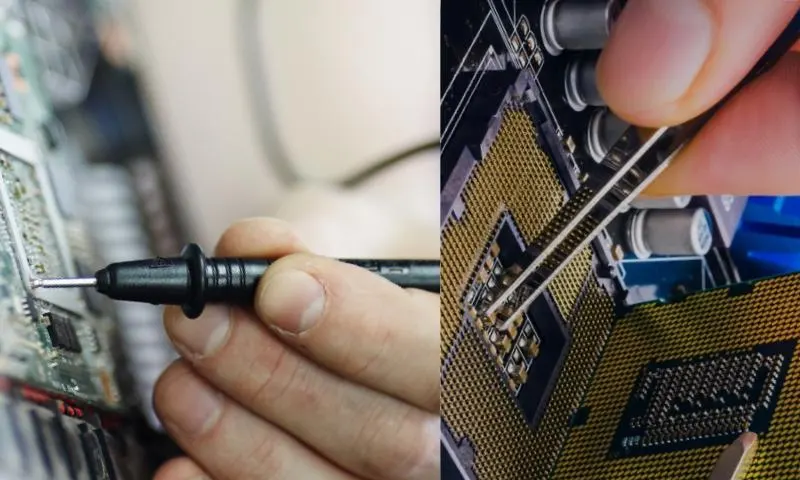
One of the first components that come to mind when talking about hardware is the processor (CPU). The CPU is like the brain of the device. It processes data, interprets commands, and directly affects the overall performance of the device. Features such as clock speed, core count, and architectural structure determine the power of the processor. The motherboard is the main structure that brings together all other hardware components. Parts like the CPU, RAM, and graphics card connect to the motherboard to work together. The structure of the motherboard and the connection options it offers also determine whether the system is open to future upgrades. RAM (memory) is a temporary data storage area. It allows the computer to perform multiple operations quickly at the same time. As the RAM capacity increases, the fluidity in multitasking also increases. Therefore, a high RAM capacity is recommended, especially for tasks such as design, video editing, or programming. Storage units are generally divided into two types: hard disk drives (HDD) or solid-state drives (SSD). SSDs are preferred in modern systems because they provide much faster data access compared to HDDs. In addition to these, the graphics card (GPU), which is vital especially for visual tasks, stands out with its ability to process graphics at high resolutions. Today, a powerful graphics card has become a must-have for both gamers and those involved in video production.
Things to Consider When Choosing Hardware
When purchasing hardware or building a computer, the idea that the most expensive parts will yield the best results is not always true. Conducting a needs analysis and selecting components appropriate for the intended use provides a much more efficient investment. For example, if only internet browsing and office tasks will be performed, a mid-range processor and a basic SSD are sufficient. However, if video editing, software development, or 3D modeling will be done, high RAM capacity, a powerful processor, and a good graphics card should be preferred. Furthermore, the compatibility of the components with each other is of great importance. The motherboard must be compatible with the processor's socket structure; the PSU (power supply unit) must have sufficient capacity to meet the system's total energy needs. Details such as cooling systems, internal case airflow, and cable management also directly affect performance and lifespan. Finally, it is important to remember that hardware technologies are constantly evolving, and new models are released every year. Therefore, having parts that are as up-to-date as possible ensures that the system can meet needs in the long run. Smart choices in the world of hardware directly affect both user experience and device efficiency.