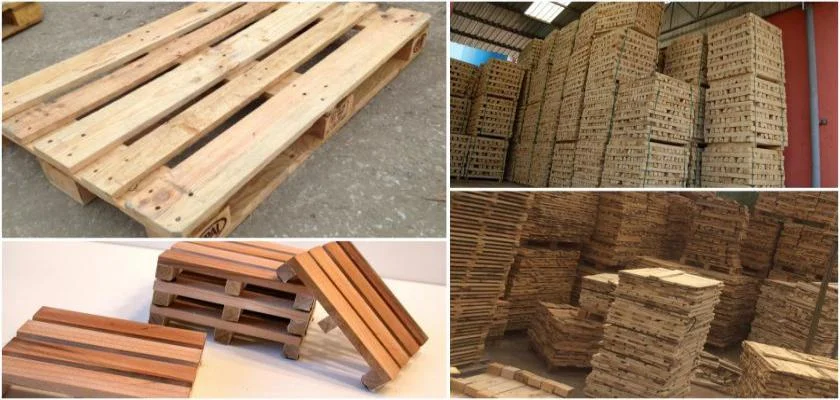
What are Pine Pallets?
CP pallet models, which are generally available in nine different sizes today, are models that were specially developed for use by the European Chemical and Plastics industry and serve as pallets that are compliant with industrial standards. Today, chemical cp pallet models are used in many different industrial areas and can be used as an alternative to Euro pallets and
wooden pallet models. The products have an exchange value in Europe and serve as reusable pallets. Chemical pallets, also known by abbreviations such as CP pallets, are referred to by names such as these, and the series of chemical pallets and new chemical pallets are available in different forms. Pine pallet models are generally used in the production of wooden pallet products. These products offer robustness, durability, and ease of use. The technical specifications and descriptions of the products are as follows; the approximate weight of pine pallet products is between 30 and 35 kg. The average number of pallets loaded onto a truck varies between 350 and 400 kg. The break angles of the pallet models' corners are approximately 45 degrees, and the stamps on these pallets are hot-stamped. The maximum load capacity of pine pallets always varies depending on the maximum load types.
What is a Euro Pallet?
Euro pallet models undergo a fully automated, state-of-the-art nailing process and are in service. Only dried wooden pallet products are used in Euro pallet models, thus effectively preventing mold formation. At the same time, the transverse boards do not have sawn edges. This ensures transport strength and durability, providing a comfortable and easy service. The bases of Euro pallets are chamfered, which provides more convenient results. Euro pallet standards include; the long edges have 3 heat stamps, and there is also a heat stamp related to the European Pallet Pool of railways, which is the EUR mark. Products can be produced in custom dimensions according to the specific requests of individuals by companies.