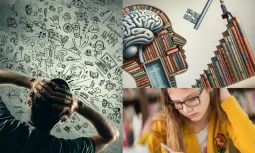
The Cultural and Educational Importance of Libraries

Libraries are institutions of great importance for culture and education, facilitating humanity's access to information. Throughout history, libraries have served to preserve, share, and transmit knowledge and accumulation to future generations. Public libraries, in particular, enhance the cultural level of societies with their extensive collections that appeal to all age groups. Students, researchers, and reading enthusiasts can work in a quiet environment in libraries and benefit from a wide range of resources. Libraries also serve as a social learning center through various events, reading days, and talks. You can look at the relevant online firms on internet pages to get information on this subject and ask your questions, and you can examine them in detail from here.
Digitalization and Technology in Modern Libraries
Today's libraries have undergone a digital transformation with the development of technology. No longer limited to physical books, libraries facilitate access to information with e-books, digital archives, and online databases. Thanks to smart catalog systems, users can quickly access the works they are looking for. Digital libraries have provided great benefit by offering remote access to information, especially during the pandemic. These technological advancements have made libraries information centers that transcend time and space limitations. However, the importance of preserving the physical presence of books and maintaining the warm atmosphere of libraries during the digitalization process should not be forgotten.
Benefits of Spending Time in Libraries
Libraries offer a great environment not only for acquiring knowledge but also for mental rest and social interaction. Working in a quiet and orderly environment increases concentration and supports productivity. Students, in particular, can benefit from the peaceful atmosphere of libraries during exam periods. Libraries also contribute to the social and intellectual development of individuals through various activities. Reading events organized for children and seminars for adults encourage individuals to learn. Spending time in libraries allows a person to develop reading habits, expand their vocabulary, and increase their knowledge. Libraries are unique institutions that carry the legacy of the past to the future. These spaces, where people of all ages can access information, learn, and spend enjoyable time, continue to be one of the cornerstones of social development.