
Basic Functions and Advantages of Household Air Conditioners
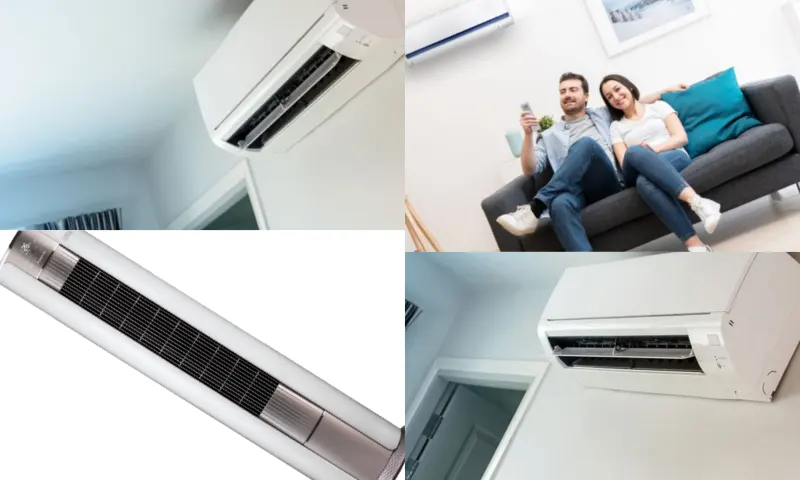
Household air conditioners are air conditioning systems frequently used in homes and small offices. Their primary function is to control indoor temperature and enhance comfort levels. Household air conditioners typically consist of two main components: an indoor unit and an outdoor unit. The indoor unit is mounted inside the house and regulates temperature by blowing air. The outdoor unit is usually located on the exterior wall and expels hot air using an evaporative cooling process. The use of household air conditioners offers a number of advantages. One of these advantages is energy efficiency. Advanced technologies and energy efficiency standards ensure that modern household air conditioners operate energy-efficiently. Furthermore, users can easily control their desired temperature settings, which increases personal comfort. These devices also feature air filtration capabilities, providing healthier air by filtering dust and allergens present in the indoor environment.
Factors to Consider When Choosing a Household Air Conditioner
There are several factors to consider before purchasing a household air conditioner. Firstly, the capacity of the air conditioner is important. Choosing a capacity suitable for the size of the room or rooms in the house ensures efficient operation. Additionally, the energy efficiency rating affects the long-term running costs of the air conditioner. Models with high energy star ratings consume less energy and may be more environmentally friendly. Ease of use is also important when selecting an air conditioner model. User-friendly features such as remote control, timer functions, and multiple fan speeds make using the air conditioner more practical. Considering factors such as maintenance requirements and filter replacement intervals can also help ensure the longevity of the air conditioner.
Household Air Conditioner Maintenance and Troubleshooting Tips
Regular maintenance of household air conditioners enhances their performance and ensures their longevity. Regularly cleaning or replacing the filters increases airflow, thereby boosting energy efficiency. Keeping the area around the outdoor unit clean and regularly free of dust also ensures the efficient operation of the air conditioner. It is also important to regularly check the refrigerant levels in the system and refill them if necessary. Household air conditioners may malfunction or experience performance loss over time. In such cases, it is important to seek assistance from an expert technical service. However, users can perform simple troubleshooting steps themselves, such as battery replacement or filter cleaning. Such simple measures are important to ensure the proper functioning of the air conditioner and to improve its long-term performance.





