Common Aspects of Art and Design

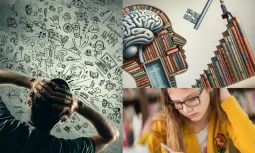
Although art and design are often perceived as distinct fields, they actually share many common aspects. Both are fundamentally based on creativity and aim to influence people through visual, auditory, or tactile elements. While art is a realm where emotions and thoughts find free expression, design seeks a balance between function and aesthetics. However, in both fields, aesthetic sensibility is paramount, aiming to offer meaning or an experience to people at the end of creative processes. Artists and designers strive to convey social and cultural messages by using different techniques and materials to reflect their unique perspectives and worlds. In this regard, you can examine related online firms on internet pages to get information and ask your questions, and conduct a detailed review from there.
The Functionality and Aesthetics of Design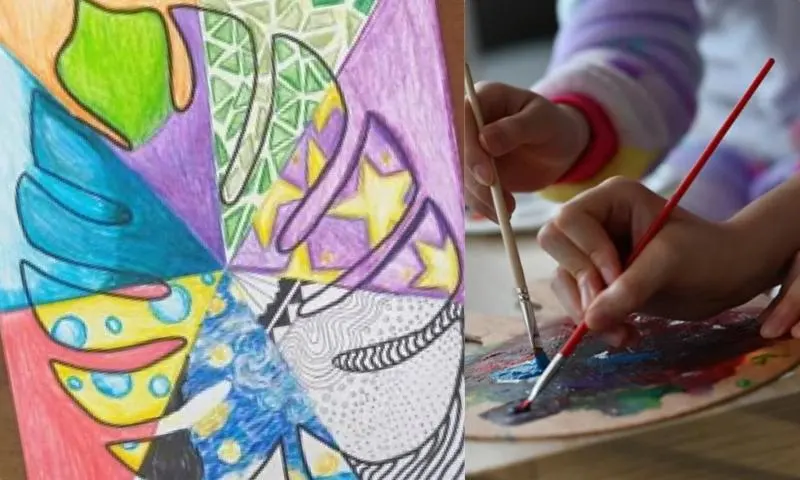
The most prominent feature of design is the combination of functionality and aesthetics. Design should, above all, aim to solve a problem. In many fields such as graphic design, interior design, and fashion design, in addition to aesthetic elements, ease of use, ergonomics, and functionality are also important. Designers aim to achieve a visually pleasing result while simultaneously considering the user's needs. Design is a tool for visual communication, and messages are conveyed clearly through visual elements. Therefore, establishing the right balance between aesthetics and functionality is a fundamental requirement for successful design.
The Expressive Power and Social Impact of Art
Art is one of the most powerful ways to share individual emotions and thoughts with society. Painting, sculpture, music, literature, and other art forms are important tools for reflecting social events, questioning the human condition, and conveying emotional experiences. Art makes people think, creates discussion, and sometimes transforms societies. Artists play a significant role in raising social awareness by sharing their individual expressions with the world. Each work of art carries traces of an era, a thought, or a culture. This ensures that art leaves a lasting impact on both individual and collective memory.