
Goldfish Care, Breeding, and Feeding in Aquariums
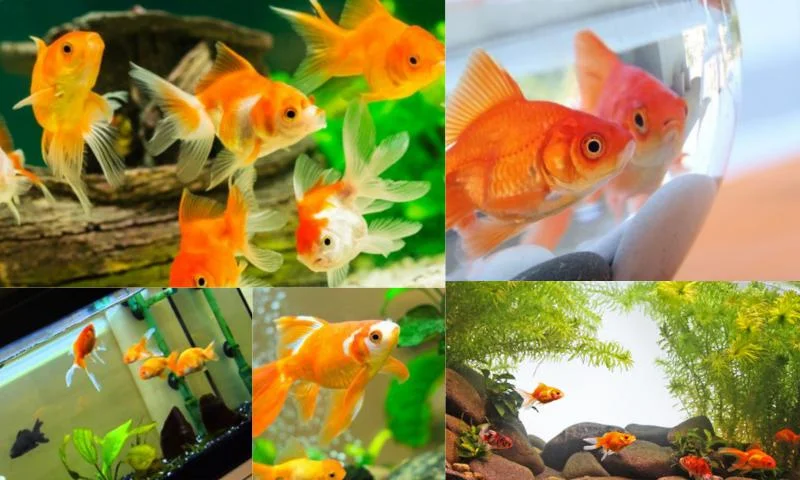
Every hobbyist, at any age, has surely had an adventure with goldfish. Goldfish, which can live in aquarium environments between 15-35 degrees Celsius, are a highly sought-after species thanks to this wide temperature range. The recommended ambient temperature for them to live healthily is 26 degrees Celsius. They are not picky about food. They are omnivorous and carnivorous. Feeding them primarily a herbivorous diet is important to protect them from various internal diseases. They are a generally peaceful species. Keeping them with fish smaller than themselves is dangerous. They perceive anything they can swallow as food, which can lead to negative consequences. They should not be kept with larger, playful, or aggressive species. In such environments, they cannot defend themselves, will be nibbled, or will die. In short, goldfish are most comfortable with their own kind. They can live comfortably in water hardness between 5-20 dH and pH levels of 6-8. They will quickly adapt to rested and aerated tap water.
Females Tend to Be Plumper Than Males, Especially During Breeding Periods
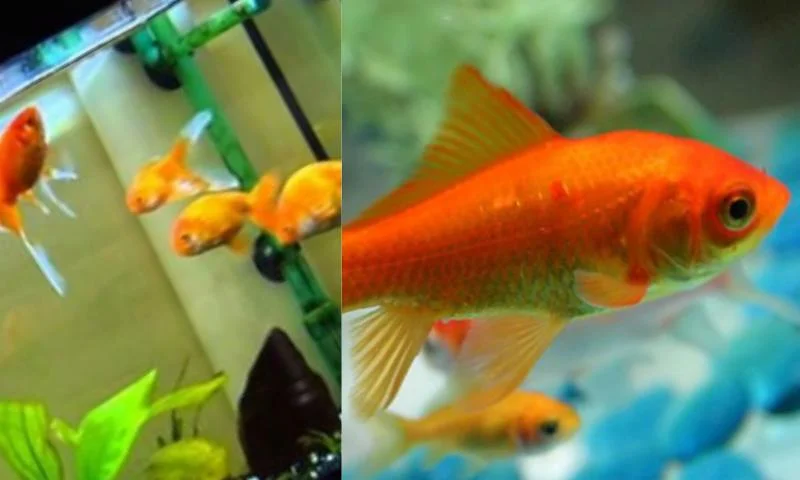
Bubbles become prominent on the gills of males. For breeding, the colony is moved to an aquarium with a substrate of marbles at the bottom or a net stretched across the bottom to separate it from the main aquarium. Broodstock pairs should have been fed separately and exhibit all signs of readiness for breeding. In this aquarium, the pairs will start chasing each other, and 3-5 days after the eggs are laid on the bottom, larvae will begin to hatch. The number of eggs varies depending on the size and feeding quality of the parents. Yields can range from 300-500 to thousands. They can grow up to an average of 35 cm. Considering this, maintaining an aquarium volume of 100 liters or more will be beneficial for the health of goldfish. However, there are still goldfish being kept in bowls, suffering. Their ability to survive there does not mean they are happy. If you empathize, it won't take long to understand the cruel life they endure. They have no sense of fullness, so they will attack food no matter when you feed them. Don't let this fool you. The more they eat, the more they excrete, and this will quickly dirty your aquarium. If the water quality deteriorates, your goldfish will get sick or die. Even with good filtration and a large-volume tank, overfed fish will suffer from internal diseases. In the most optimistic scenario, they will become fatty and infertile. Boiling spinach and feeding it to them every few days will be beneficial for their intestinal movement. Leaving them hungry for one day a week is important for their health and mimics their natural life. Since they stir up the substrate a lot, choosing fine-grained sand would be appropriate. If plants are considered, hard-leaved plants that are not part of their diet, such as Elodea, Anubias, or Vallisneria, should be preferred and well-anchored to the substrate.





