Painting: Where Art Meets Emotion

Painting is a creative art form in which an individual transfers their emotions, thoughts, and observations onto a surface through colors and brushstrokes. Painting, which has played a major role in the formation of important art movements throughout history, maintains its popularity today with different techniques and styles. The art of painting has occupied a significant place in the cultural heritage of societies throughout history. The earliest examples of painting appear as drawings made on cave walls. In the ancient Greek and Roman periods, painting was used as a means to convey mythological stories and daily life. While religious subjects were more frequently depicted in the Middle Ages, the art of painting showed great development during the Renaissance with techniques such as anatomy, perspective, and light-shadow. Movements such as impressionism, realism, and cubism, which emerged in the 19th century, initiated the modernization process of painting. Today, painters reflect their artistic expressions through many different methods, including digital techniques. For information on this subject and to ask questions you are curious about, you can look at the relevant online companies on web pages and examine them in detail from here.
Techniques Used in Painting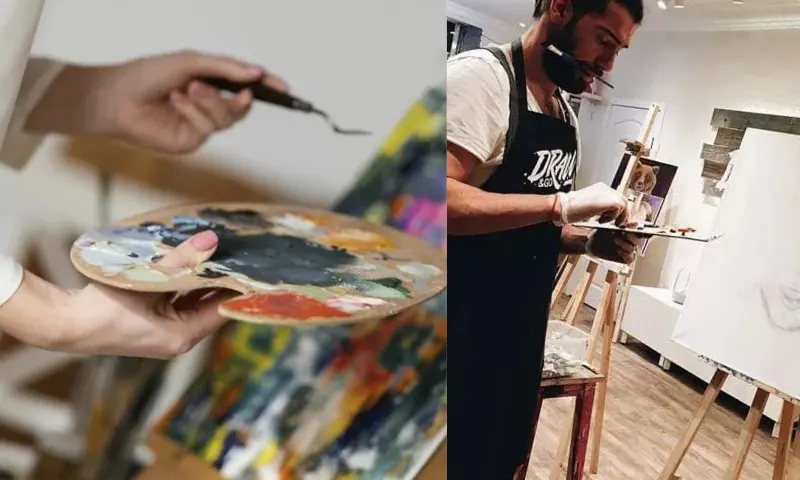
The techniques used in painting play an important role in reflecting the artist's style and message. One of the most common techniques is oil paint, which is effective in creating rich color tones and depth. Acrylic paint is popular for its fast drying property and can be thinned with water to create different effects. Watercolor provides a lighter and more transparent appearance; it is generally preferred for landscape and portrait works. While pastel colors emphasize the intensity of colors with soft transitions, gouache paint offers strong color tones with its opaque structure. Whichever technique is preferred, the skillful use of tools by painters is an important part of artistic success.
Skills and Education Required to Be a Painter
Painting is not limited to innate talent; it is also a process that requires technical knowledge, patience, and continuous practice. Observational ability, attention to detail, and understanding color harmony are some of the basic skills that a successful painter should possess. Knowledge of drawing, anatomy, and composition are also indispensable elements of painting education. Art schools and painting courses play an important role in learning basic techniques and in the development of aspiring painters. In addition, visiting art galleries for inspiration, examining the works of other painters, and getting to know different cultural movements broaden the artistic vision of aspiring painters. Painting is one of the forms of artistic expression with its historical origins, techniques used, and development process. Whether done as a hobby or professionally, the art of painting is a powerful way to express oneself in the world of colors and shapes.