
The History of Chess
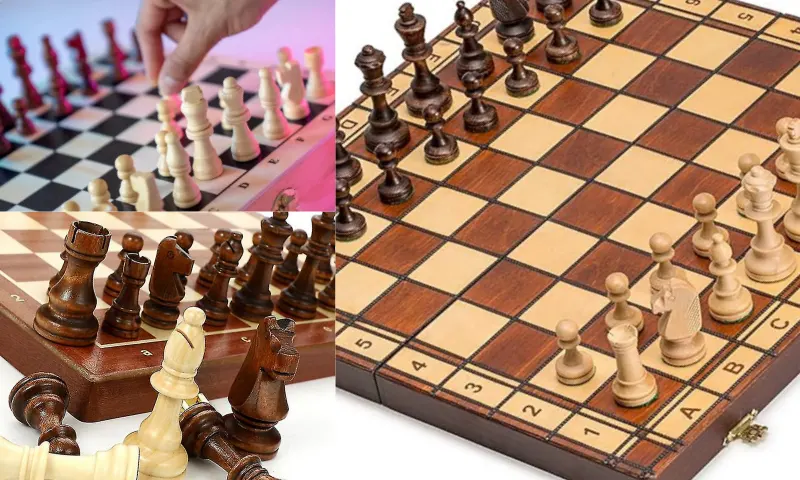
Chess is a game of strategy and intelligence with a history spanning thousands of years. Its origins are rooted in a game called "Chaturanga," played in India approximately 1500 years ago. Chaturanga, as a game representing four military units, formed the basis of modern chess rules. After spreading to the Persian Empire, this game became known as "Shatranj" and later reached Europe through the Islamic world. In medieval Europe, chess became a popular game among nobles and gradually acquired its modern rules. Today, chess continues to exist as a universal game played by millions worldwide and hosting numerous tournaments. For information on this topic and to ask questions you are curious about, you can look at the relevant online firms on web pages and examine them in detail from here.
Rules of Chess and Basic Strategies
Chess is a two-player game played on a 64-square board, with each player having 16 pieces. Each player's pieces include one king, one queen, two rooks, two bishops, two knights, and eight pawns. The objective of the game is to win by bringing the opponent's king into a "checkmate" position. This occurs when the king has no squares to move to and no possibility of escape. The movements of the pieces and their interactions with each other in chess create the strategic depth of the game. Basic strategies include elements such as opening moves, piece development, controlling the center, and piece coordination. A good chess player tries to anticipate the opponent's moves by balancing both attack and defense strategies.
Benefits of Playing Chess
Playing chess is more than just a fun activity; it also contributes to mental development and the enhancement of personal skills. Research shows that playing chess strengthens memory, improves problem-solving abilities, and encourages creative thinking. Furthermore, chess players develop strategic thinking and planning skills, which helps them make more effective decisions in their daily lives. Chess is also very beneficial for children; it increases their attention span, develops their mathematical and analytical thinking skills, and instills a disciplined work habit. At the same time, it helps players improve their social skills by offering opportunities for social interaction in chess clubs and tournaments. Chess holds great value as a universal game that enhances the mental capacity of people of all ages and promotes lifelong learning.





