
What is a Level Gauge Used For?
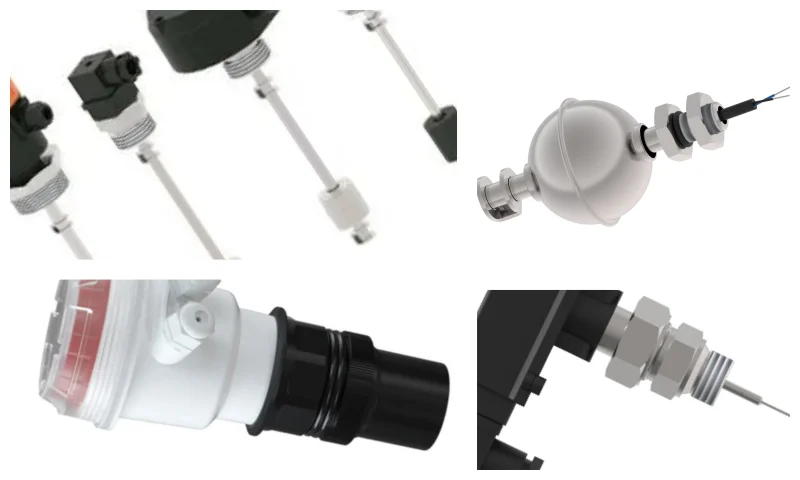
Types of Level Gauges
A level gauge is a measuring device used to monitor and visually display liquid or material levels. These devices are typically used to track the levels of liquids, powders, or solid materials in closed containers such as tanks, reservoirs, silos, or process equipment. Level gauges play an important role in a wide range of applications in industrial facilities, from the chemical industry to food production, from water treatment plants to power plants. For more detailed information about level gauge types and usage, and to place an online order, you can visit the website https://www.aktif-inst.com/urun/manyetik-seviye-gostergeleri immediately.
Usage of Level Gauges
Level gauges are devices used to monitor and control liquid or material levels and come in different types. This diversity is designed to meet different application requirements and adapt to various industrial processes. Each type of level gauge is optimized for a specific operating principle or application area. For example, magnetic level gauges use magnetic interaction to accurately determine liquid levels, while capillary tube level gauges monitor the liquid level within the tube. Other options include ultrasonic, radar, hydrostatic, capacitive, and optical level gauges. Each has its own advantages and limitations, so the correct selection of a level gauge should be made considering the application requirements. This diversity covers a wide range of applications in industrial facilities, from the chemical industry to food production, from water treatment plants to power plants. With a level gauge, users can continuously monitor liquid levels and intervene when necessary. This allows businesses to optimize their processes, enhance their safety, and use their resources more effectively. Level gauges can be integrated with industrial automation systems and make process control more precise.





