
Vaccine Safety and Vaccination Schedule in Infants

Vaccine safety is of critical importance for a healthy start in infants. Vaccines protect babies from serious and potentially life-threatening diseases. The World Health Organization (WHO) and many national health organizations recommend a specific vaccination schedule for infants. This schedule specifies which vaccines infants should receive at certain intervals from birth. For example, the Hepatitis B vaccine is given at birth, and the DTaP (Diphtheria, Tetanus, Pertussis) and Hib (Haemophilus influenzae type b) vaccines are given at two months of age. Timely vaccination ensures that infants are protected during their most vulnerable periods. The first six months are particularly critical as infants' immune systems have not yet fully developed. Vaccines strengthen the immune system's ability to fight diseases. Furthermore, vaccines are also important for achieving herd immunity. Herd immunity refers to the indirect protection of unvaccinated individuals when a sufficient number of people are vaccinated. This is vital, especially for individuals with weakened immune systems or those who cannot be vaccinated.
Vaccine Safety and Side Effects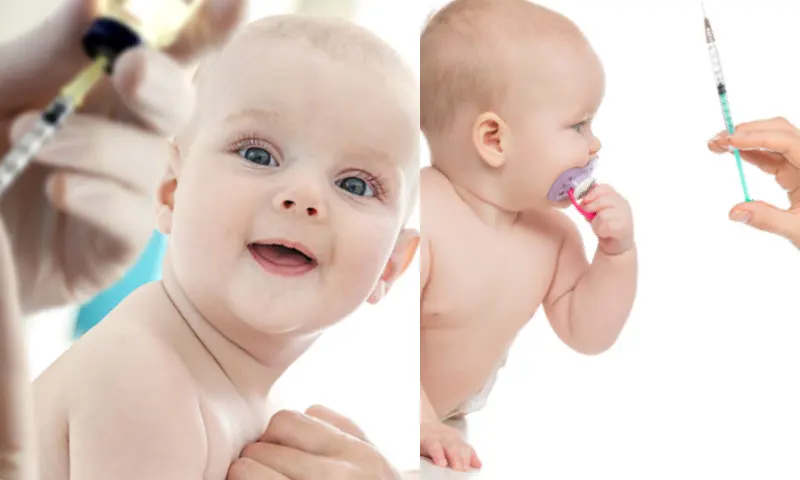
Numerous studies have been and continue to be conducted on vaccine safety. Side effects of vaccines are generally mild and short-lived, limited to symptoms such as a mild fever, redness, or swelling at the injection site. These side effects indicate that the body is mounting an immune response and providing protection against the disease. Serious side effects are extremely rare, and the benefits of vaccination far outweigh the potential risks. Vaccines undergo rigorous safety testing. First, laboratory studies are conducted, followed by clinical trials. These trials are carried out in several phases and tested on thousands of volunteers. Each phase provides more data on the safety and efficacy of the vaccine. Vaccines are only made available to the public after successfully passing all these stages. Furthermore, the safety of vaccines is continuously monitored after they are released to the market, and any potential side effects are reported. Although some parents may have concerns about vaccines, scientific evidence shows that vaccines are safe and effective. Vaccine hesitancy is often based on misinformation or incomplete information. Therefore, it is important for parents to obtain information from reliable sources and communicate openly with their doctors about vaccines.
The Societal and Individual Importance of Vaccines
Vaccines are of great importance not only for individual but also for public health. A high vaccination rate in a community helps prevent outbreaks. Vaccines have largely brought diseases that caused serious epidemics in the past under control. For example, smallpox has been completely eradicated thanks to vaccination campaigns. Similarly, polio vaccines have led to the near-complete elimination of the disease worldwide. Herd immunity ensures the protection of unvaccinated individuals in populations with high vaccination rates. This is vital, especially for individuals with weakened immune systems, chronic illnesses, or those who cannot be vaccinated due to age. Thus, the chain of herd immunity protects the most vulnerable individuals in society. The individual importance of vaccines is that they provide direct protection. Infants' immune systems begin to develop after birth, and during this process, vaccines protect them against infections. Unvaccinated infants can face serious complications and illnesses. For example, an unvaccinated infant exposed to the measles virus may experience severe complications and even die. In conclusion, vaccine safety in infants is of critical importance for both individual and public health. Vaccines protect infants from serious diseases and improve the overall health of the community. Scientific research proves that vaccines are safe and effective. Therefore, it is the right decision for parents to follow the vaccination schedule and have their children vaccinated on time for their health.