
What is Hallux Rigidus?
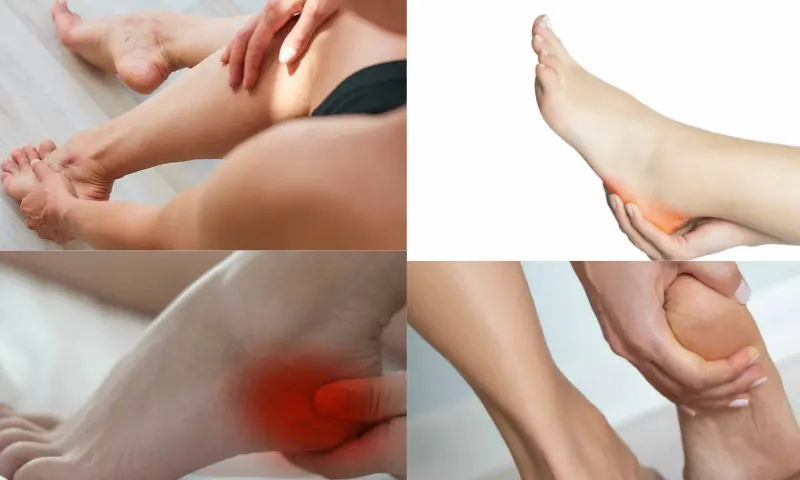
Symptoms and Causes of Hallux Rigidus
Hallux rigidus is an orthopedic condition characterized by stiffness and pain in the big toe joint, resulting from osteoarthritis (degenerative joint disease). You can visit https://selimmugrabi.com/halluks-rigidus-sert-ayak-basparmagi/ to learn more about Hallux Rigidus. It is characterized by the inability to move the big toe upward and is usually seen in adults between the ages of 30 and 60. As the condition progresses, the joint stiffens, pain increases, and swelling or bony protrusions may form around the big toe during walking. Early diagnosis and appropriate treatment are crucial for preserving joint mobility.
Treatment Methods and Preventive Measures for Hallux Rigidus
Hallux rigidus is generally a slowly progressing condition. Initial symptoms include pain in the big toe, morning stiffness, and a stabbing sensation while walking. Over time, joint movement becomes restricted, and wearing shoes becomes difficult. The answer to the question 'What is hallux rigidus?' is often related to the wear and tear of cartilage tissue in the foot joint. Prolonged standing, improper shoe choices, genetic predisposition, and previous foot injuries can contribute to the development of this condition. In advanced cases, bony protrusions (osteophytes) can form around the big toe, further increasing pain. The primary goal in the treatment of hallux rigidus is to reduce pain and preserve joint movement. In the early stages, orthopedic insoles, wide-toed shoes, and physical therapy methods can be applied. Anti-inflammatory drugs or injection therapies may be used to reduce pain. In advanced cases, surgical intervention (such as cheilectomy or arthrodesis surgery) may be necessary. Regular exercises slow down the progression of the disease by increasing joint flexibility. Responding early and starting appropriate treatment is very important for maintaining quality of life. Symptoms noticed in time, along with appropriate shoe selection and exercises, allow for slowing down the progression. Regular follow-up under the supervision of a specialist physician facilitates pain management.





