
How Do Temperature Control and Cooling Systems Work in Helicopter Engines?
How Are Helicopter Engines Maintained and Repaired?
The temperature control and cooling systems of a helicopter engine are critically important for ensuring the engine operates efficiently and safely. These systems prevent the engine from overheating, thereby improving its performance and ensuring its longevity. Helicopter engine temperature control is achieved through various methods depending on the type and design of the engine. The primary goal is to maintain the engine's operating temperatures within a specific range. This is typically accomplished through temperature sensors and control systems within the engine. When the engine temperature rises above a certain level, the cooling systems are activated. For detailed information about helicopter engines, you can visit the website: https://www.tei.com.tr/urunler/tei-ts1400-turbosaft-motor-gelistirme-projesi.
How Is the Fuel Type Selected for a Helicopter Engine?
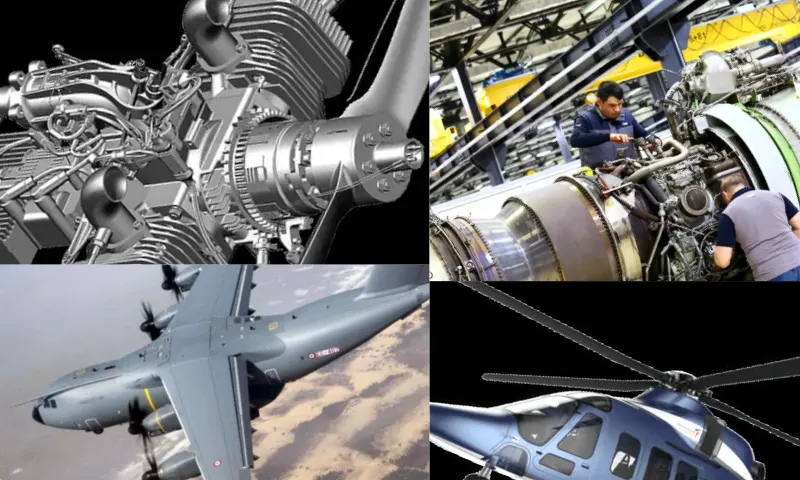
Maintenance and repair of a helicopter engine are critical processes for ensuring safety and sustained performance. Engine maintenance should be carried out at regular intervals and in accordance with specific maintenance procedures. Maintenance involves disassembling the engine and separating its parts, allowing for the identification and replacement of worn or damaged components. Oil levels are checked, and oil is added if necessary. In the repair phase, if the engine has significant damage, parts can be repaired or replaced. Specific procedures and standards determined by experienced technicians and engineers are followed during this process. After repair, the engine is tested to ensure compliance with safety standards. The selection of the fuel type for a helicopter engine is based on the engine's design and the manufacturer's recommendations. Different helicopter models perform better with specific fuel types. Among the most commonly used fuel types is jet fuel (JP-8). Factors to consider when selecting the fuel type include the engine's design characteristics, performance requirements, climate conditions, and operational needs. Factors such as the energy content of the fuel, ease of storage, and transportation are also important.





