Covering Fields with Fencing Nets
Steel structures are indispensable in the construction phase of fields. Carriers, made from approximately 89*3 mm pipes placed opposite each other, are taken into special trusses and assembled diagonally in a short time. The carrier trusses from the construction areas are fixed with bolts to the previously prepared 10mm thick steel plates on the foundation concrete. In these areas, all carrier trusses are fixed with welds using 42 mm pipes in 3 rows from the bottom middle and from the top in horizontal shapes. The long sides of the structures generally need to be secured and assembled with 3 rows of wind connections using 42 mm pipes.
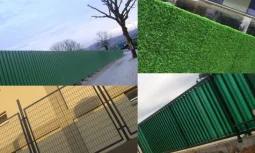
The carrier trusses are generally covered with PVC-coated galvanized fencing wires with mesh sizes up to 40*40 mm and a wire thickness of 3.5 mm. Additionally, the back parts of the goals are covered with double-layered nets made from parachute cords numbered 72, with mesh sizes of 12*12 cm.
What are the Revenues from Artificial Turf Pitches?
As is known, all revenues generated in the artificial turf pitch sector today are subject to hourly rates, and they also show some variations depending on the requirements for covered artificial turf pitches and fields. Hourly rates also vary by city districts. Furthermore, the number of hours artificial turf pitches are used per day causes significant differences and variations in these revenues. On the other hand, it should be known that customers paying in cash for artificial turf pitches provides a significant advantage to the sector in these areas. Additionally, artificial turf pitch revenues differ on a monthly basis. In covered artificial turf pitch constructions, steel cables are laid around the entire perimeter of the fields. On the other hand, the upper parts of the fencing wires used in the fields should cover all the constructions on the side edges of the fields.
www.sosy.com.tr