
DSLR Cameras: Where Art Meets Technology
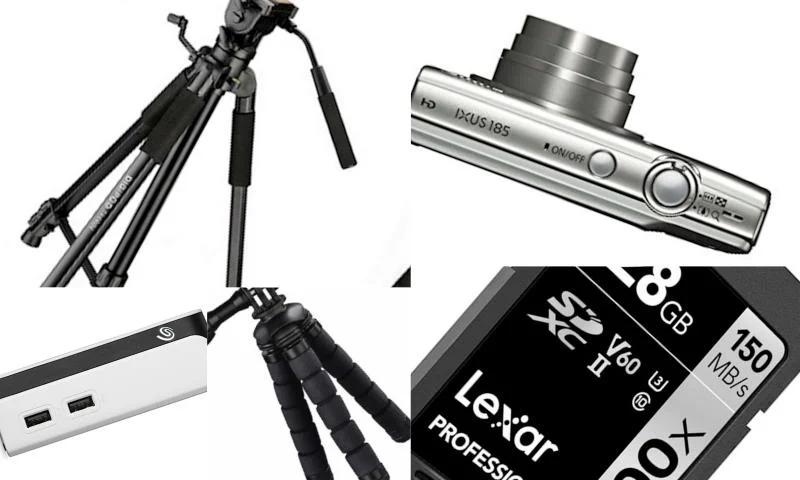
DSLR (Digital Single-Lens Reflex) cameras, also known as digital or mirrored cameras, are evolving versions of SLR (Single-Lens Reflex) cameras, which are also called mirrorless, analog, or film cameras. They have been adapted to meet the increasing need for practicality. DSLR cameras are often preferred by beginners in the art of photography or by some amateur photographers due to the convenience they offer. You can easily find various DSLR camera models at [website address]. The largely unchanging operating principle of these cameras and the ease of direct access to the work created in the initial steps of a person's journey into photography are important for discovering where they are on their path.
Internal and External Components of DSLR Cameras and Their Operating Principle
DSLR cameras generally consist of 8 internal and external parts; these can be listed as interchangeable lenses, also known as objectives, reflex mirror, shutter, image sensor, focusing screen, condenser lens, pentaprism, and eyepiece or viewfinder. If we come to the operating logic of these cameras, the explanation is as follows: Light is collected by the lenses, and the light adjustment is made through the diaphragm, then it is transmitted to the camera body. The image that reaches this point is inverted because it passes through the lens, and here it meets a 45-degree mirror so that we can see the image upright, and immediately after that, the pentaprism comes into play. The image we see when looking through the viewfinder is the image formed after passing through these stages. Then, at the moment we take the photograph, the mirror lifts, and the image passing through the shutter reaches the sensor. After the shutter provides the necessary focus and light to the sensor, it closes, and the mirror returns to its 45-degree angle. The image focused on the sensor finally reaches the electronic light sensors and can then be displayed on the digital screen.





