
The Evolution and Future of Speech Transcription Techniques
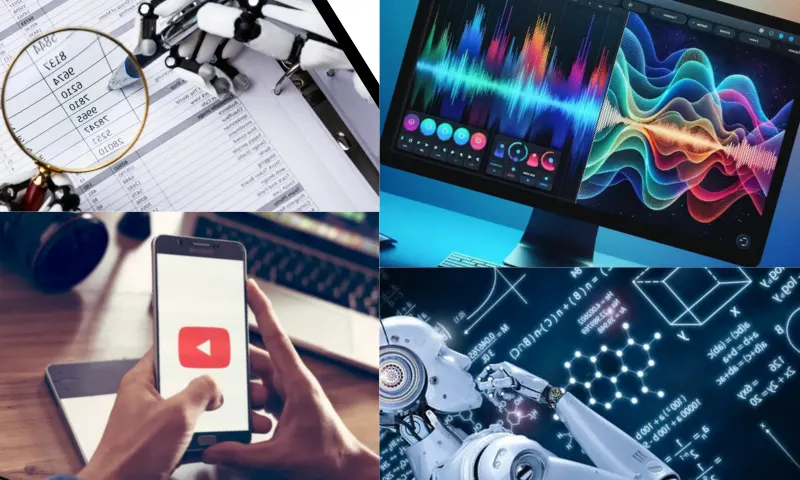
Modern Developments in Speech Transcription Technology
Speech transcription techniques have undergone a significant evolution, especially in the last decade. You can visit https://transkriptor.com/tr/ for more information about speech transcription. Advancements in artificial intelligence and machine learning technologies have accelerated the process of converting speech into written text. The foundations of speech transcription techniques date back to the first speech recognition systems developed by Bell Labs in the 1950s. These early technologies had limited vocabularies and could only recognize specific words. In the 1970s, the "Harpy" system, developed at Carnegie Mellon University, had a recognition capacity of up to a thousand words and marked a turning point in speech recognition technologies. Throughout the 1980s and 1990s, techniques such as Hidden Markov Models (HMM) and Gaussian Mixture Models (GMM) enabled the development of complex and comprehensive systems by increasing speech recognition accuracy.
Speech Transcription Technology and Expectations
In recent years, the availability of deep learning algorithms and large datasets has revolutionized speech transcription technologies. Investments by tech giants such as Google, Apple, and Amazon, in particular, have made speech recognition systems accessible to end-users. Deep learning techniques like Deep Neural Networks (DNN) and Recurrent Neural Networks (RNN) have significantly improved speech recognition accuracy by enabling the development of complex language models. The future of speech transcription techniques looks bright with further advancements in artificial intelligence and machine learning technologies. Progress in natural language processing (NLP) will particularly enable speech recognition systems to produce more contextual and meaningful results. Increased multilingual and accent recognition capabilities will offer more universal solutions catering to a global user base. In the future, speech transcription technologies are expected to be more widely used in various sectors such as healthcare, education, and customer service.





