
What is Text-to-Speech Technology?
What are the Use Cases of Text-to-Speech?
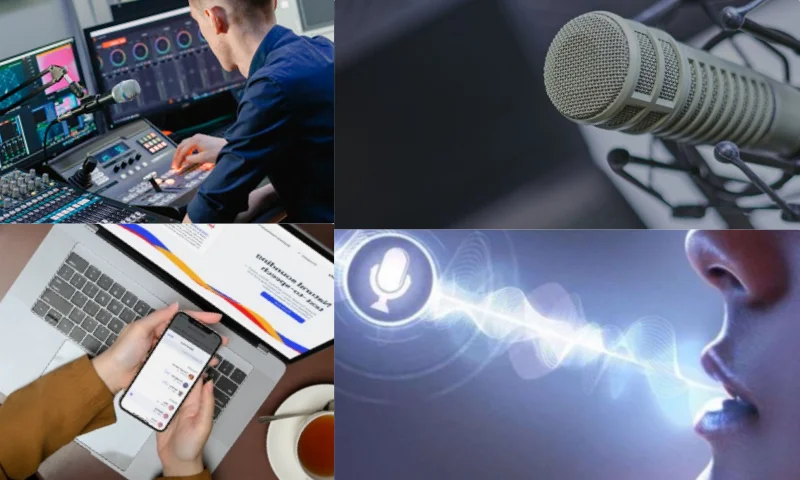
Text-to-speech is a technology used to convey written text audibly through computers or devices. This technology provides users with a more effective and useful communication tool by conveying text-based information in an audible format. Text-to-speech makes text audible using artificial voices that resemble natural speech. This process is carried out using special algorithms and synthesis techniques. The primary goal of this technology is to make computer-based systems or devices more interactive and user-friendly by conveying written text audibly. For detailed information about the text-to-speech process, you can visit the website at https://speaktor.com/tr/.
What are the Advantages of Text-to-Speech?
The use cases of text-to-speech technology are quite extensive. This technology provides significant advantages in many sectors and applications. Firstly, in the field of education, it can help students improve their reading skills by presenting texts audibly. It plays a crucial role in accessibility, facilitating access to information for people with disabilities by delivering written texts audibly. Text-to-speech is also used in many technological applications such as smart devices, virtual assistants, and digital interfaces. Devices that use this technology to understand and respond to voice commands offer a more interactive experience with users. Text-to-speech technology has many advantages. It increases access to information and allows a wider audience to be addressed by presenting text-based information audibly. This technology, which is particularly beneficial for people with disabilities, supports the principles of inclusivity. Conveying text-based information audibly can support learning processes and can be used safely on mobile devices or in vehicles. Text-to-speech improves user experience, making interactive technologies and services more accessible and user-friendly.





