
Abrasion and UV Resistance in Automotive Tire and Cable Industry with Carbon Black
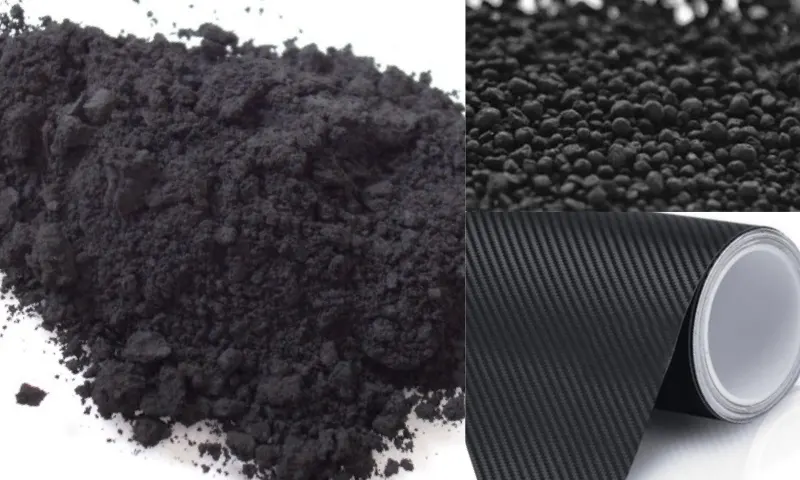
The Power of Carbon Black Components in Engineering Plastics and Masterbatch Industry
From the tread components of passenger and commercial vehicle tires, where the margin of error is zero, to cable sheaths and floor coverings exposed to outdoor conditions, the resistance of raw materials to sunlight and abrasion is the primary quality criterion. The carbon black product class, thanks to the strict quality standards it undergoes during production stages, offers a protective shield that minimizes the risks of cracking, fading, and mechanical fatigue under extreme environmental conditions. By absorbing UV rays and preventing the degradation of polymer chains, this raw material, with its resistance to thermal aging, is at the center of long-lasting production models compatible with the toughest field conditions. Quadro Kimya supports the development of durable manufacturing models with its innovative solutions by offering raw material options fully integrated with global automotive and plastic industry standards. You can examine the address https://quadrokimya.com/urunlerimiz/karbon-siyahi/ to analyze in detail the product portfolio that will bring flexibility and sustainable strength to your factory, and strengthen your operations by quickly accessing technical data documents. The use of qualified raw materials will directly increase the market value of your industrial designs.
Logistical Stability and Quality Management in the Carbon Black Market
Beyond its mechanical molding properties, carbon black is considered one of the most excellent basic reinforcement sources for manufacturing companies developing black masterbatch pigments, conductive plastic parts, and special sealing elements. Thanks to its high color depth and opacity, it creates stable structures that prevent abrasion and deformation on the surface of heavy-duty products in daily use and industrial fields. The stability in the chemical structure of the material ensures that the sealing elements minimize gas and liquid permeability and completely eliminate chronic aging problems such as embrittlement or cracking over time. This superior performance is preferred in a wide market network, from the infrastructure industry to consumer products. The fundamental condition for ensuring continuity in production and minimizing scrap rates is that the raw materials reach the factory with the same technical standard in every production batch. Even the slightest disruption in the supply chain or fluctuations in quality can lead to serious stoppages on mass production lines and cost losses that are difficult to compensate for. Expert suppliers operating with strong global supply networks and a transparent trade approach directly contribute to businesses optimizing their raw material inventory management and reducing warehousing costs. Manufacturers focused on sustainable success can grow their production volumes unaffected by global raw material fluctuations and plan their future investments much more securely by working with the right partners.